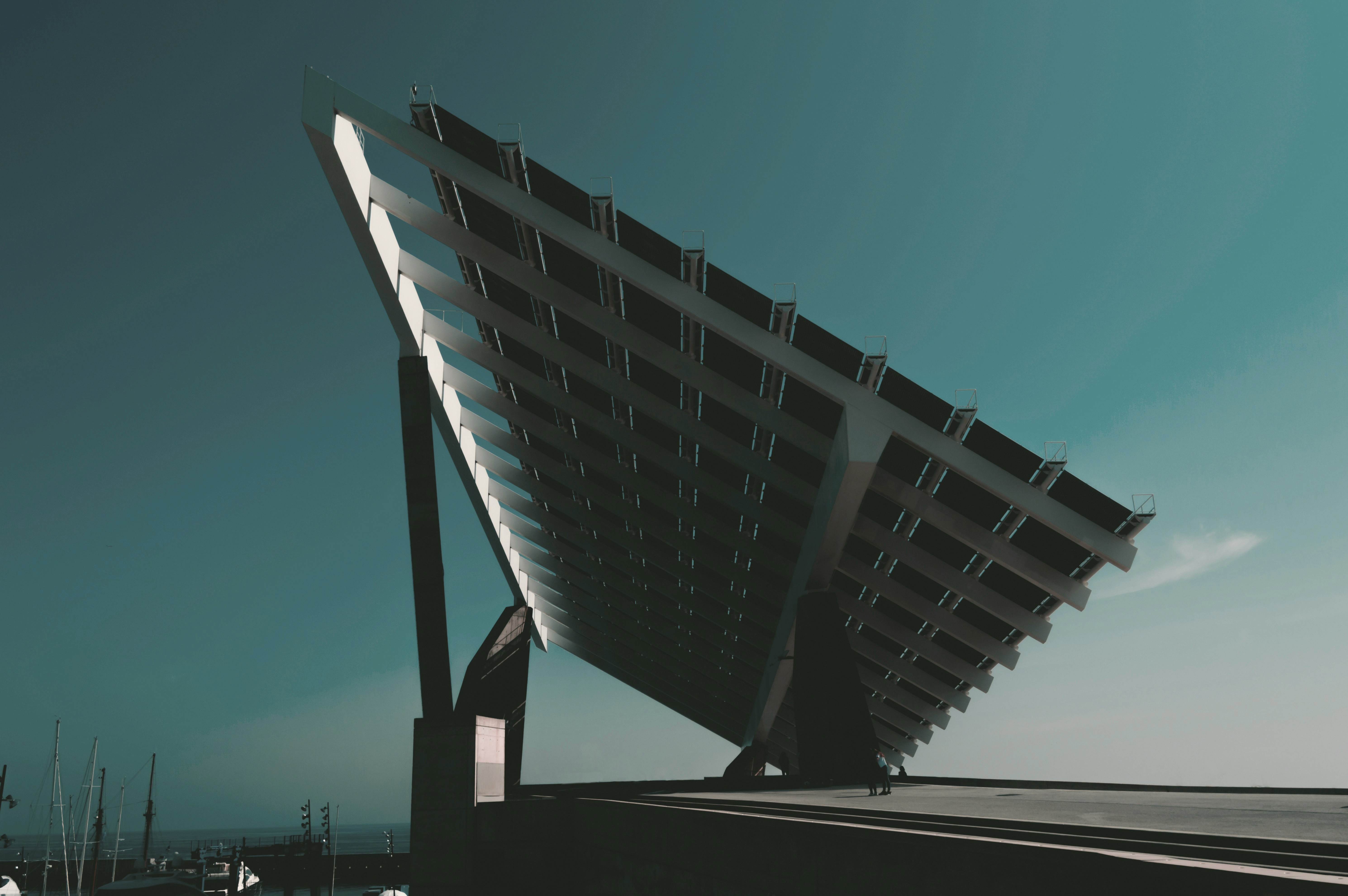

On September 18, the amendment to the "Act on the Promotion of the Development, Utilization and Dissemination of Renewable Energy," which legally regulates local governments' solar setback distance regulations, officially came into effect. This revised law is evaluated to bring significant changes to the siting environment of solar power generation projects, such as abolishing road setback distances, setting an upper limit on residential setback distances (200m), and newly establishing a requirement for five or more households.
Attorney Sungwoo (Goni) Kim of SOLARIS analyzed the practical significance of this legal amendment and the legal issues to note in field practice from various angles through a column in the energy-specialized media outlet 'Industry News'.
The key points covered in the column are as follows.
(Application of Transitional Provisions) Since the revised law applies to new applications for development activity permits filed after the enforcement date, careful review is required regarding whether to withdraw prior applications and resubmit them, or the practical benefit of reapplying for previously rejected sites.
(Validity of Unaligned Ordinances) There is a possibility of legal disputes arising, such as lawsuits seeking revocation of permit refusals, regarding the scope of validity of existing local government ordinances that do not align with the intent of the legal revision.
(Administrative Discretion Assessment) As the assessment standard shifts from 'whether the numerical setback distance is violated' to 'the exercise of administrative discretion based on harmony with landscape and environment,' it is necessary to establish an appropriate response system against permit rejections lacking reasonableness.
(Conditions for Resident-Participatory Projects) Regarding the exemption criteria from setback distances for resident-participatory power generation facilities, a clear risk management structure must be designed through investment agreements and articles of incorporation.
Based on an in-depth understanding of energy and environmental regulations and overall renewable energy power generation projects, along with accumulated infrastructure, SOLARIS will continue to provide clients with clear and effective legal solutions amidst the changing regulatory environment.
-Original Article Link: [Resolving Solar Energy Issues Through Law ⑩] Overhaul of Setback Distance Regulations: Open Doors and Remaining Challenges
Attorneys on this article