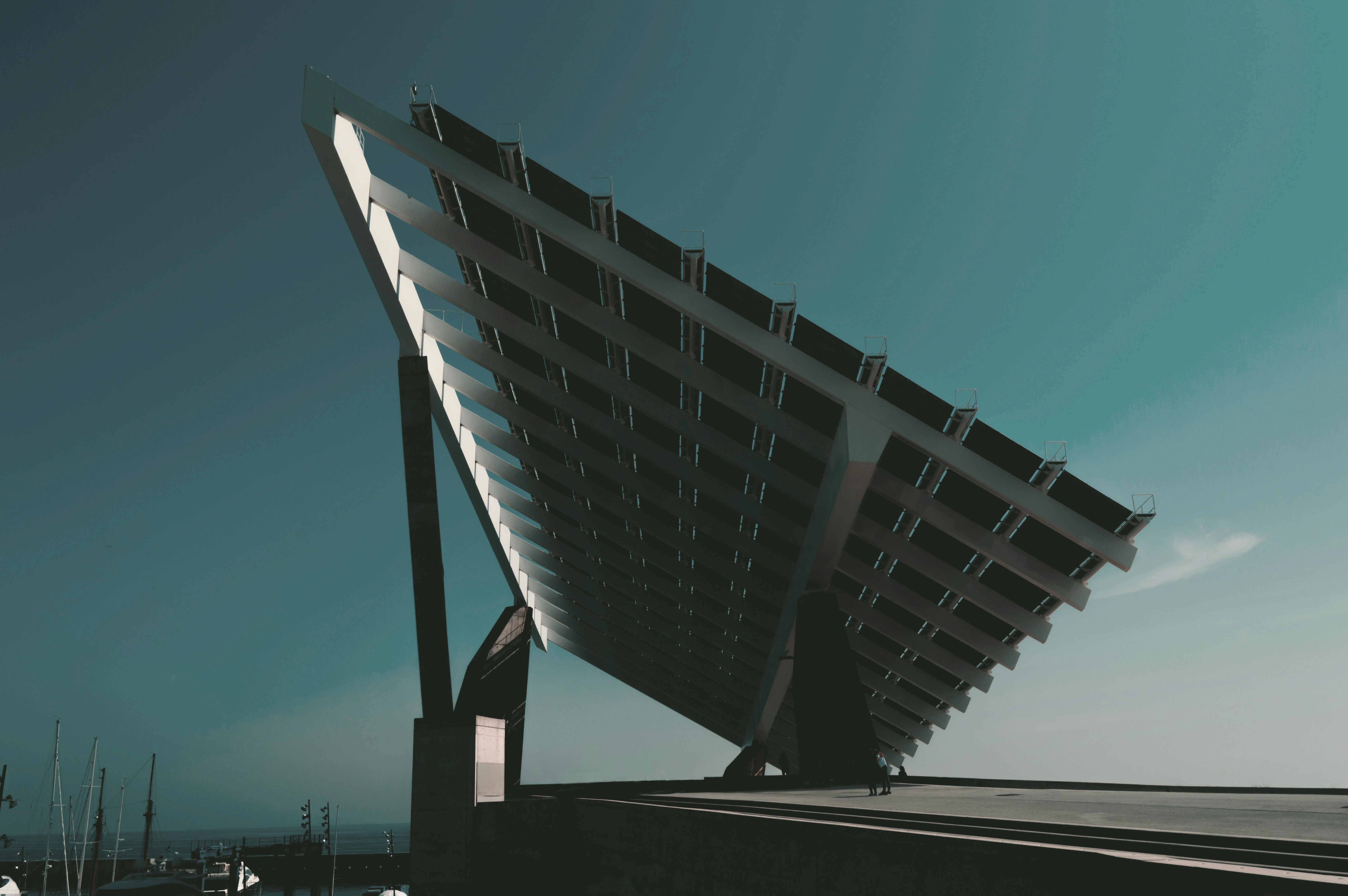
Recently, as the global supply of solar modules has fallen into shortage, cases of construction sites for power plants coming to a halt are increasing. At this timely moment, Attorney Sungwoo Kim of Law Firm SOLARIS published an article in a major media outlet, highlighting the legal challenges faced by contractors and power plant operators. The media focused on the expertise of SOLARIS, which is well-versed in the contract practices and regulatory trends of the renewable energy business, and allocated space for the article.
Attorney Sungwoo Kim addressed three key points in this article. First, if module supply is delayed, the contractor bears the contract liability for delay in performance, and it is difficult to have force majeure recognized in court solely due to economic reasons such as a rise in material prices. Second, while legal action can be taken against module suppliers who delay delivery, lawsuits take a long time, so there is a limit to resolving the immediate issue of stopped construction. Third, rather than focusing on litigation, it is more realistic for the contracting parties to agree on extending the construction period and sharing costs within a reasonable range. In addition, future contracts must include clauses that flexibly reflect fluctuations in material prices.
Law Firm SOLARIS proactively prevents complex contract disputes arising in the process of renewable energy projects and provides accurate legal advice so that clients can lead their businesses stably.
▶ View the original article: Attorney Sungwoo Kim, 'Legal Issues in Solar Module Shortages and Power Plant Construction Disputes' Column Contribution
[Insight] Attorney Sungwoo Kim Proposes Legal Solutions for Construction Contract Disputes Amid Solar Module Shortages
As global solar module shortages continue, many solar power plant construction sites are facing unexpected halts. At this timely moment, Attorney Sungwoo Kim of SOLARIS published a column in a major media outlet, analyzing the legal challenges contractors and power plant operators currently face. The media highlighted SOLARIS's deep expertise in renewable energy contract practices and regulatory trends.
In his column, Attorney Kim addresses three main points: First, when module supply is delayed, the contractor bears the responsibility for the delay under the contract. Courts rarely accept economic reasons, such as sudden material price hikes, as force majeure. Second, while contractors can take legal action against suppliers who delay delivery, lawsuits take years and cannot resolve the immediate halt in construction. Third, rather than heavily relying on litigation, parties should reach a reasonable agreement on timeline extensions and cost-sharing. Furthermore, future contracts must include specific clauses that flexibly reflect material price fluctuations.
SOLARIS provides proactive legal advice to prevent complex contract disputes in renewable energy projects, ensuring that our clients can operate their businesses stably.